Barnet Council van permits: Brunswick Park moving rules
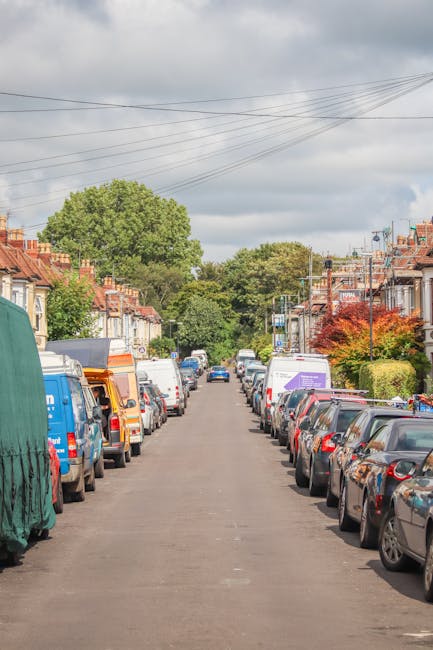
If you are moving in Brunswick Park, van access can be the detail that makes the whole day feel calm or chaotic. A permit, a loading restriction, a tight side street, and suddenly a simple move turns into a small puzzle. That is exactly why Barnet Council van permits: Brunswick Park moving rules matter so much. They help you plan legally, park sensibly, and keep the move moving without that awkward moment where the van is circling the block and everyone is getting a bit frazzled.
This guide breaks the topic down in plain English. You will learn what a van permit usually does, when it tends to be needed, how Brunswick Park road conditions affect moving day, and what practical steps reduce stress. If you are hiring help, moving solo, or shifting a few heavy items, the right planning can save time and hassle. Let's face it, nobody wants to carry boxes an extra fifty metres in the rain.
Why Barnet Council van permits: Brunswick Park moving rules Matters
In Brunswick Park, parking space is often the real battleground on moving day. You may have a neat moving plan, carefully labelled boxes, and a strong pair of arms, but if the van cannot stop safely and legally, the whole timetable starts slipping. Barnet Council van permits are there to manage that space fairly and keep traffic moving. For movers, they are less about paperwork and more about avoiding stress, delays, and fines.
There is also a practical side that people overlook. If your van is forced to park further away, you get more lifting, more trips, and more chances to drop something awkward at the worst possible moment. A mattress is one thing. A corner-sofa on a damp pavement at 8:15 in the morning is another. If you are already planning bulky furniture, it is worth reading advice for bulky item removals in Brunswick Park as part of the same moving prep.
To be fair, not every Brunswick Park move needs the same level of parking planning. A small flat move with a single van is very different from a full house removal with multiple loaders and lots of furniture. But the principle stays the same: if the vehicle is part of the move, parking and access deserve early attention. That is where local moving rules, loading bays, and permit expectations come into the picture.
How Barnet Council van permits: Brunswick Park moving rules Works
The basic idea is straightforward. If a van needs to stop, load, unload, or wait in an area where parking is controlled, restricted, or heavily used, you may need permission or need to obey specific loading rules. In practical terms, this usually means checking whether the street has resident-only restrictions, time-limited bays, yellow lines, or suspension requirements that affect a removal vehicle.
For Brunswick Park moves, the important part is not memorising every traffic sign on the road. It is understanding the process. First, check the exact address and surrounding streets. Then consider the size of the van, the time you want to arrive, and whether you need a spot close to the entrance. A small van can sometimes tuck into a tighter space, while a larger removal van may need more careful planning. If your move involves multiple trips, note that a short stop can become a longer loading period rather quickly.
In many cases, the move itself shapes the parking decision. For example, a flat move with narrow stairs often benefits from the van being as close as possible to the door, because distance multiplies effort. That is where local access knowledge matters. If you want more context on tricky access, this guide to handling narrow stairs in Brunswick Park moves pairs well with permit planning.
One thing people sometimes miss: a moving van permit is not just a document. It is part of a wider access strategy. You are trying to balance legal parking, neighbour access, traffic flow, and loading efficiency. When all four line up, moving day feels smoother. When they do not, even a well-packed van can become a headache.
Key Benefits and Practical Advantages
The biggest benefit is simple: better control over moving day. A proper permit or compliant parking plan reduces the chance of being forced to repark halfway through loading. That alone can save a surprising amount of time. It also helps the team stay focused on the job rather than watching for enforcement or squeezing boxes through a more distant route.
There are some very real knock-on benefits too:
- Less carrying distance between your front door and the van.
- Lower risk of damage to furniture, walls, and stair corners.
- Faster loading and unloading, especially with heavy or awkward items.
- Better safety for everyone, because fewer unnecessary trips means less fatigue.
- Less neighbour friction when the vehicle is parked thoughtfully and legally.
There is also a mental benefit, and that matters more than people admit. When the van is sorted, your head clears a bit. You stop worrying about parking tickets and start dealing with the actual move. That calm is worth something.
If your move is more furniture-heavy than box-heavy, you may also find it useful to read about furniture removals in Brunswick Park, because furniture pieces often dictate the van position more than anything else.
Who This Is For and When It Makes Sense
Not every move needs a formal permit application, but a lot of people in Brunswick Park benefit from planning as if it might. If you are moving from a flat, a maisonette, an older terrace, or any property where street parking is tight, you are already in the zone where access matters. Same goes if you are moving on a busy weekday or at a time when neighbours' cars fill the road early. Simple, but true.
This guidance is especially useful for:
- homeowners moving out of or into Brunswick Park
- tenants doing flat moves with limited outside space
- students shifting belongings quickly and cheaply
- families moving larger furniture or white goods
- office moves with regular delivery-style access needs
- anyone using a man and van service where parking is part of the job
If you are a student or moving on a tighter timetable, it is often worth comparing flexible moving options early. The page on student removals in Brunswick Park can be useful when timing and budget are both under pressure.
When does it make the most sense to be proactive? Usually when the street is narrow, the move involves more than a few boxes, or the van cannot simply stop on a driveway. In those cases, even a small bit of planning pays off. A permit, a loading plan, or a smart arrival window can make the whole day feel far less rushed.
Step-by-Step Guidance
Here is the most practical way to approach Barnet Council van permits: Brunswick Park moving rules without overcomplicating it.
- Check your exact move address and street layout. Look for yellow lines, bays, resident permit zones, controlled hours, and any obvious access pinch points.
- Measure the moving vehicle needs. A small van, medium van, or larger removal van can all have different parking implications. Bigger is not always better if the street is tight.
- Estimate loading time honestly. A one-bedroom flat might be quick in theory, but stairs, lifts, and awkward furniture add minutes. Sometimes lots of minutes.
- Decide whether loading directly outside is realistic. If not, plan a legal alternative nearby and factor in the walking distance.
- Confirm whether a permit, suspension, or other arrangement is needed. If you are unsure, treat it as something to verify rather than guess. Guessing is expensive, in the boring way and the annoying way.
- Build the move around access. Start with the biggest items first if the parking window is short. That often gives the best rhythm.
- Prepare the property for quick turnaround. Clear hallways, secure pets, protect floors, and have keys, labels, and building access ready.
A good extra step is to plan your packing before van access day. If the load is already tidy, the parking issue becomes easier to manage. For practical packing ideas, see how to maximise packing efficiency for a hassle-free move and packing and boxes in Brunswick Park.
Also, if your move date is flexible, choose a calmer time of day. Early starts can be brilliant for parking, but only if your building allows them. Mid-morning is often the sweet spot for local moves; not too early, not too late, and the street is usually a little less manic.
Expert Tips for Better Results
Here is where local know-how really helps. First, always think in terms of distance from the door. Ten metres does not sound like much. Then you start carrying a wardrobe across it four times and it suddenly feels like a marathon. If you can legally get closer, do it.
Second, keep your load order in sync with the parking plan. The first items out of the property should be the items that are hardest to manoeuvre. A mattress, sofa, fridge, or dining table can dictate the pace. If they are sitting near the van first, you avoid the awkward shuffle of hunting for a better spot halfway through.
Third, protect yourself and your team. Van access is not just about convenience; it affects lifting posture, trip risk, and fatigue. A short route can be safer than a long one, especially when pavements are uneven or the weather is poor. If you want a broader safety angle, insurance and safety guidance is worth a read too.
Fourth, if you are moving fragile items, think about the loading sequence before you think about the permit. A piano, for instance, does not forgive rough handling or long carry distances. That is one of the reasons piano removals in Brunswick Park deserve special care.
Expert summary: the best Brunswick Park moving plan is the one that balances parking legality, shortest walking distance, and the safest lifting route. If all three line up, the day usually feels much easier than expected.
And a small but real tip: take a quick look at the street the day before your move if you can. You will notice rubbish collection, school-run traffic, or neighbour parking patterns that do not show up on a planning spreadsheet. Those tiny details often matter more than people think.
Common Mistakes to Avoid
The most common mistake is leaving parking planning too late. People spend weeks packing kitchen drawers and forget the van only has somewhere to stop for a limited time. By the morning of the move, they are trying to solve access on the fly. That usually ends up with extra stress and a lot of unnecessary phone checking.
Another issue is underestimating the size of the vehicle. A van that looks manageable online can feel very different when it arrives at a narrow Brunswick Park street. If the parking space is tight, a slightly smaller vehicle may be the smarter choice, even if it means one extra trip. Honestly, one extra trip is often cheaper than one parking mistake.
Watch out for these too:
- assuming loading is allowed just because the van is only there "for a minute"
- forgetting to check weekend or evening restrictions
- blocking driveways, bins, or neighbours' access points
- not allowing time for delays or a second parking option
- loading the van before checking whether the final parking place is suitable
People also forget to match the move with the type of property. A flat move is not the same as a house move, especially when stairs are narrow and the vehicle has to be parked at a distance. For that situation, flat removals in Brunswick Park is a helpful reference point.
One more thing: do not rely on memory. Roads and restrictions change. If a spot worked last month, that does not mean it will work this week. The old "I'm sure it'll be fine" approach is brave, but not especially efficient.
Tools, Resources and Recommendations
You do not need a van-load of fancy equipment to move well, but a few practical tools make a huge difference. Box labels, a marker pen, a dolly, furniture blankets, and sturdy tape are the obvious ones. Less obvious, but still useful, are gloves, a torch for checking side access in poor light, and a phone note with gate codes, permit details, and timings all in one place.
For planning around the move itself, a few website pages can help you build the bigger picture:
- services overview for understanding the range of moving support available
- removal van options in Brunswick Park when vehicle size is a key decision
- man with a van in Brunswick Park for lighter or quicker moves
- Brunswick Park removals if you want the wider service picture
- pricing and quotes to understand budgeting before you commit
If you are still reducing clutter before moving day, it helps to clear out anything unnecessary before the van arrives. A tidy home is faster to load, simpler to navigate, and less likely to need last-minute rearranging. For that side of the process, creating a clutter-free space before your moving day is a sensible companion read.
For people who like a cleaner finish to a move, there is also value in knowing how to leave the property properly cleaned and ready for handover. It sounds small, but it can save time and tension at the end of an already long day.
Law, Compliance, Standards, or Best Practice
Moving rules in Barnet are ultimately about public space, road safety, and fair use of parking. You do not need to become a traffic-law expert, but you do need to respect restrictions, loading rules, and local parking controls. If a bay is marked for residents or time-limited loading only, treat that as part of the move planning rather than an afterthought.
Best practice in Brunswick Park usually means:
- checking restrictions before the moving date
- allowing extra time in case a legal parking space is not immediately available
- avoiding unsafe stopping near bends, junctions, dropped kerbs, or narrow chokepoints
- keeping access clear for pedestrians, emergency vehicles, and neighbours
- choosing the smallest practical vehicle for the street conditions
There is also a duty of care angle. Even if a stop is technically possible, it should still be safe for the crew, the customer, and the people living nearby. That includes floor protection, sensible lifting technique, and avoiding rushing. If your move includes heavy lifting, you may find kinetic lifting principles useful because good lifting habits matter as much as parking.
On the service side, it is wise to check the moving company's own standards too. A trustworthy operator should be clear about access, responsibility, and what happens if parking is difficult on the day. That kind of clarity is often the difference between a smooth move and an unhelpful surprise.
Options, Methods, or Comparison Table
Different moving setups need different parking approaches. Here is a simple comparison to help you decide what usually fits best.
| Moving approach | Best for | Parking/access challenge | Practical note |
|---|---|---|---|
| Small man and van | Quick flat moves, a few large items, student moves | Usually easier to place, but still needs legal stopping space | Good when the street is tight and the load is light |
| Standard removal van | Typical household moves | May need a clearer parking plan and more space | Often the best balance between capacity and access |
| Larger removal vehicle | Full house moves, lots of furniture, complex jobs | Harder to stop close to the property in narrow streets | Works best when loading is properly planned in advance |
| Multiple trips with a smaller van | Local moves with limited parking | More back-and-forth, but often simpler to park | Can be smarter than forcing a large vehicle into a tight road |
The right choice is not always the biggest van. It is the van that fits the street, the load, and the timing. That sounds obvious, but people still get caught out by it. For same-day situations, a flexible option like same day removals in Brunswick Park can sometimes help, though it still needs realistic access planning.
Case Study or Real-World Example
Imagine a couple moving from a first-floor flat in Brunswick Park to another address nearby. The van arrives on time, but the road outside the building is already busy with parked cars. They initially thought they could stop directly outside. In reality, the best legal space is a little further along the street, and the lift is out of service. Not ideal.
Because the team had planned for access rather than assuming it, the move still goes ahead neatly. The heaviest items are loaded first, the boxes are grouped by room, and the route from flat to van is kept clear. It still takes effort, of course. You can hear the wheels of the trolley on the pavement, the occasional thump of a blanket-wrapped table leg, and the low traffic hum in the background. But the move stays controlled.
If they had not planned ahead, the story would have been different. They might have parked illegally "just for a minute", gotten blocked in, or had to carry items farther than expected. That extra distance would have been felt most on the sofa, the bed frame, and the end-of-day fatigue. Small decisions at the start really do change the mood of the whole day.
For moves like that, practical preparation matters as much as any permit detail. A clear route, the right vehicle, and a sensible schedule are what keep the job humane, basically.
Practical Checklist
Use this checklist before moving day to keep Brunswick Park access under control:
- Confirm the exact moving address and entrance point
- Check local parking restrictions on the street and nearby roads
- Decide whether the van size suits the available space
- Allow extra time for loading and loading delays
- Prepare a backup parking option nearby
- Label boxes by room and priority
- Keep stairways, hallways, and doorways clear
- Protect floors and fragile furniture before the van arrives
- Confirm building access, keys, lift use, and any timings
- Plan heavy items first so the loading order makes sense
- Keep phone numbers, access notes, and instructions in one place
- Have water, tape, markers, and basic tools ready
If you are still at the planning stage, a calmer, more methodical move is usually the easier one. And if you are trying to get a property sorted before the van shows up, cleaning the house before moving day can make the whole process feel more manageable. A bit of structure goes a long way.
Get a free quote today and see how much you can save.
Conclusion
Barnet Council van permits: Brunswick Park moving rules are not just a box-ticking exercise. They shape the whole flow of a move: where the van can stop, how far items need to be carried, how safe the crew stays, and how quickly the day gets done. When you understand the rules early, you stop treating parking as a problem and start treating it as part of the moving plan.
The good news is that most of this is manageable with a little local awareness. Check the street, match the vehicle to the access, think about your loading sequence, and leave room for the unexpected. Moving day is rarely perfect, but it does not need to be messy. A bit of planning, a bit of patience, and you are miles ahead already.
And if things feel a little much, that is normal. Most moves do, at least for a few hours. Keep the plan simple, keep the route clear, and you will be fine.
Frequently Asked Questions
Do I always need a van permit to move in Brunswick Park?
Not always. It depends on the street, the type of parking controls in place, the size of the van, and how long you need to stop. Some moves can be done legally without a permit if there is suitable loading access, while others need more formal planning.
What is the difference between a parking permit and a loading allowance?
A parking permit usually gives permission to park in a controlled area under certain conditions. A loading allowance is more about short-term stopping for loading or unloading. The exact practical difference depends on the location and local restrictions, so it is worth checking before moving day.
Can a man and van service handle permit-related parking issues?
Yes, many can help plan around them. A good operator should ask about access, street width, and parking before the job begins. If the route is tight, a smaller vehicle or a different arrival time may be the better answer.
What happens if there is no space right outside my property?
You may need to park further away and use trolleys or carry items by hand. That is still workable, but it makes the move slower and more physically demanding. Planning for that possibility is better than discovering it at the last minute.
Are moving van rules different for flats and houses?
Often, yes in practice. Flats usually have more access pressure, more shared parking, and more stairs or lifts to deal with. Houses can still be tricky, but there is sometimes more flexibility with stopping and loading space.
Should I choose a smaller van to make parking easier?
Sometimes. A smaller van can be much easier to place in a narrow Brunswick Park street. The trade-off is capacity, so you need to weigh parking ease against the number of trips required. Small vehicle, fewer parking headaches; larger vehicle, fewer trips. It is a balancing act.
How early should I plan access and parking for moving day?
Ideally as soon as your moving date is fixed. The earlier you check access, the easier it is to choose the right vehicle and avoid last-minute stress. Even a quick street check a few days ahead can reveal problems you would otherwise miss.
What are the biggest access mistakes people make in Brunswick Park?
The biggest mistakes are assuming loading will be easy, using a van that is too large for the street, and not leaving enough time for parking changes. People also forget that weekday traffic and neighbour parking can make a road feel much tighter than expected.
Can I move bulky furniture without parking right outside?
Yes, but it becomes harder work. Bulky furniture can be moved from a nearby legal parking spot, but it takes more people, more care, and more time. For particularly awkward items, using a service that understands bulky item removals is usually the safer route.
Is same-day moving possible if parking is tight?
It can be, but only if the access problem is realistic and the move is organised quickly. Same-day jobs are much easier when the van size is right, the load is ready, and the parking plan is not left to chance.
What should I tell my moving team before the van arrives?
Tell them about stairs, narrow entrances, parking limits, access codes, lift use, and any time restrictions. The more they know in advance, the fewer surprises you get on the day. That simple habit saves a lot of back-and-forth.
Where can I get help with planning the move itself?
If you want a broader moving plan, it helps to look at packing, access, vehicle choice, and timing together. Pages on stress-free house relocation and best days to hire a van in Brunswick Park can give you a more complete picture of what to expect.