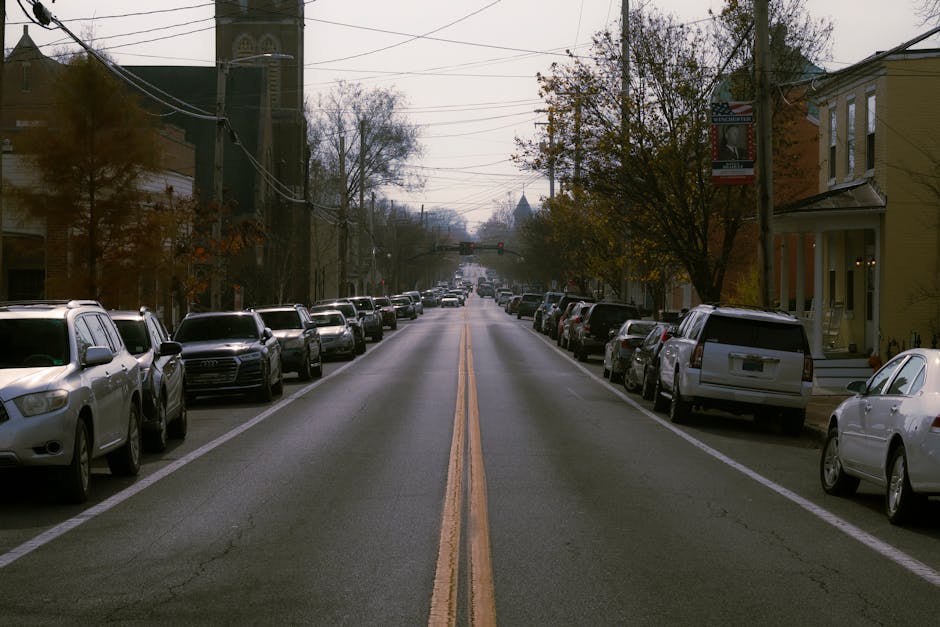
Brunswick Park Road: Navigating Narrow Street Moves
Moving on a narrow residential street can feel straightforward right up until the van arrives and the real geometry of the day starts to matter. Kerb space is limited. Parking is awkward. There may be tight turns, parked cars, short walk distances, or upstairs flats with awkward access. That is exactly why Brunswick Park Road: Navigating Narrow Street Moves deserves a plan, not just a removal van and good intentions.
This guide explains how narrow-street moves work, why preparation changes everything, and how to avoid the common bottlenecks that make a moving day slower, more stressful, and more expensive than it needs to be. If you are moving a flat, a family home, student belongings, or bulky furniture on or near Brunswick Park Road, the practical advice below will help you make better decisions from the start.
For readers who want a wider planning framework, our stress-free house relocation roadmap is a useful companion piece, especially if your move is only one part of a bigger life change.
Table of Contents
- Why Brunswick Park Road: Navigating Narrow Street Moves Matters
- How Brunswick Park Road: Navigating Narrow Street Moves Works
- Key Benefits and Practical Advantages
- Who This Is For and When It Makes Sense
- Step-by-Step Guidance
- Expert Tips for Better Results
- Common Mistakes to Avoid
- Tools, Resources and Recommendations
- Law, Compliance, Standards, or Best Practice
- Options, Methods, or Comparison Table
- Case Study or Real-World Example
- Practical Checklist
- Conclusion
- Frequently Asked Questions
Why Brunswick Park Road: Navigating Narrow Street Moves Matters
Narrow streets change the entire moving equation. A large van may technically be suitable for the job, but if it cannot stop safely or close enough to the property, time and labour costs rise fast. On a tight road, the smallest friction point becomes the biggest one: a neighbour's parked car, a low branch, a steep front step, a doorway that barely clears a sofa arm. That is why local experience matters.
Brunswick Park Road and similar streets often reward careful sequencing more than brute force. The best move is rarely the one that uses the biggest vehicle or the most muscle. It is the one that balances access, timing, packing, and lifting so the job flows without unnecessary rehandling. If you are still in the planning stage, the guide on creating a clutter-free space before your moving day is a sensible first read, because less clutter almost always means fewer access problems.
There is also a human side to this. Narrow streets can create tension with neighbours if vehicles block driveways, if loading takes too long, or if boxes are left in shared walkways. A calm, respectful plan avoids those issues and keeps the day running smoothly. That is good for everyone involved, not just the people moving.
Expert summary: On a narrow street, the most successful move is usually the one that reduces vehicle movement, shortens carry distances, and keeps the loading route clear from the first box to the last.
How Brunswick Park Road: Navigating Narrow Street Moves Works
A successful narrow-street move starts well before the van is parked. The process normally has four connected stages: access review, packing and preparation, timed loading, and controlled delivery or unloading. Each stage affects the next, which is why a rushed start often causes delays later.
1. Access review
First, you assess the street itself. Is there room for a van to pull up without blocking traffic? Is there space for a safe loading bay? Are there height restrictions, tight bends, or unusually narrow entry points? These questions shape the vehicle choice and the approach to loading. A smaller van may sometimes outperform a larger one simply because it can park closer and make more trips with less fuss.
2. Packing and preparation
Packing is not only about protecting your belongings. It is also about making the items easier to move through a constrained space. Boxes should be closed securely, labelled clearly, and kept to manageable weights. Long, awkward, or fragile items need a plan of their own. If you have special items such as a piano, the decision should be made early, not on moving morning. Our guide to professional piano moving care explains why specialist handling is worth considering.
3. Timed loading
With narrow roads, timing is almost a moving tool in itself. The team may need to load in a sequence that keeps pathways open and avoids blocking access for neighbours. Heavy items should go first or last depending on the property layout, the carry route, and whether the move involves stairs, lifts, or a tight landing. This is where proper lifting technique matters as much as strength. For a practical explanation, see kinetic lifting principles for safer handling.
4. Delivery and unloading
Once items are in transit, the job is not finished until everything is placed safely where it belongs. Narrow streets often mean the unloading point is slightly separated from the final destination. That makes labelled boxes, sensible room grouping, and good communication even more valuable. The smoother the unload, the less backtracking you do on stairs or through hallways.
Key Benefits and Practical Advantages
Planning for a narrow street move is not just about avoiding headaches. It creates tangible benefits that affect the whole relocation experience.
- Less wasted time: A van parked closer to the property means fewer carrying trips and a faster turnaround.
- Lower handling risk: The fewer times an item is lifted, turned, or shuffled around, the lower the chance of damage.
- Better neighbour relations: Clear, respectful loading reduces disruption on a shared street.
- Improved cost control: Efficient access and preparation can reduce labour hours and avoid last-minute changes.
- Less stress: A measured plan gives you more control and fewer surprises on the day.
There is also a less obvious benefit: better decision-making. Once you understand the access constraints, you can choose the right support service rather than overbuying or underplanning. Some moves only need a man and van service in Brunswick Park, while others need a full house removals team. The right fit matters more than the biggest-sounding option.
Who This Is For and When It Makes Sense
This kind of planning is useful for anyone moving through a constrained road network, but it becomes especially important in certain situations.
Homeowners and tenants on tight residential streets
If the property sits on a road with limited curbside access, the loading plan matters from the moment you book the move. It is particularly relevant if the street fills with parked cars during the day or if larger vehicles struggle to manoeuvre safely.
People moving flats or upper-floor homes
Flat moves often add stairwells, communal entrances, and shared access routes into the mix. A well-structured flat move plan reduces friction for everyone, especially in buildings where residents share narrow corridors. If that is your situation, the dedicated flat removals service is worth reviewing.
Students and smaller households
Smaller moves can still be tricky if access is poor. In fact, lighter moves sometimes create false confidence because people assume they can improvise. That works until the last-minute parking issue or the awkward sofa mattress combination appears. For compact relocations, student removals in Brunswick Park can be a practical solution.
Urgent or same-day moves
If timing is tight, access planning becomes even more important. A same-day job leaves less room for trial and error, so the route, parking position, and item priority list should be ready in advance. That is where same-day removals support can help keep the move moving.
Step-by-Step Guidance
Here is a practical, realistic sequence for navigating a narrow street move without overcomplicating it.
- Survey the route early. Walk from the property to the nearest suitable stopping point. Look for parked cars, tight corners, low branches, and obstacles such as bins or garden walls.
- Decide what needs specialist handling. Bulky furniture, fragile electronics, pianos, and large appliances should be flagged before moving day. If a piece is especially awkward, consider whether it belongs in a standard load or a specialist service like furniture removals in Brunswick Park.
- Reduce volume before packing. The less you transport, the easier the access problem becomes. Decluttering is one of the simplest ways to save time and improve safety. If you need a practical start, read how to clean your house like a pro before moving day alongside your decluttering prep.
- Pack by carry priority. Put the items you need first in the order they should be loaded or unloaded. Essentials should be easy to find. Fragile boxes should not be buried under heavy mixed loads.
- Protect the walking route. Clear hallways, entry points, and stair edges. In a tight property, a few minutes of preparation can prevent several minutes of awkward shuffling later.
- Assign roles clearly. If friends or family are helping, tell each person exactly what they are responsible for. "Someone grab the boxes" is not a plan. A loading sequence is a plan.
- Keep communication short and direct. Narrow streets amplify confusion. Agree in advance where the van will stop, who will guide the reverse, and which items come out first.
- Have a fallback for delayed access. If parking becomes unavailable, know whether the crew can use a different stopping point, a smaller vehicle, or a staged load. Flexibility is often the difference between inconvenience and chaos.
As a practical aside, if you are packing a home with a lot of mixed items, the article on packing efficiency is well worth a look. Efficient packing is one of the most underrated access strategies.
Expert Tips for Better Results
Once the basics are in place, a few refinements can make a real difference.
Choose item size and weight with the route in mind
A box that is technically sturdy may still be awkward if it is too wide for a tight turn or too heavy for one person on stairs. In narrow access conditions, smaller and more uniform boxes often work better than large mixed ones.
Separate awkward items before moving day
Mattresses, desks, wardrobes, and exercise equipment can slow a move because they do not stack neatly and often need turning in confined spaces. If you are dealing with a bed frame or mattress, the dedicated guide on moving a bed and mattress gives helpful handling context.
Plan for weather, not just traffic
Rain, wind, and ice can all make narrow access worse. Wet pavement slows lifting, and slippery steps increase risk. A sensible team will adapt the sequence and keep protective coverings ready.
Keep a clear "do not move yet" zone
It helps to leave one small area where items can be staged before loading. That prevents the front hall from becoming a maze of half-packed boxes. Simple? Yes. Surprisingly effective? Also yes.
Use storage when timing does not line up
Sometimes the move date and the access conditions do not align neatly. If you are waiting on keys, decluttering, or coordinating access to a new property, short-term storage can keep the process manageable. See storage options in Brunswick Park for a practical next step.
Common Mistakes to Avoid
Most narrow-street move problems are predictable. That is the good news. The better news is that they are avoidable.
- Booking the wrong vehicle size: Bigger is not always better if the vehicle cannot stop safely or fit the approach.
- Leaving packing too late: Last-minute boxing leads to poor weight distribution and more handling errors.
- Ignoring parking realities: A space that looks "probably fine" can turn out to be unusable when the van arrives.
- Mixing fragile and heavy items: This is how damage happens, especially when boxes are carried over uneven ground or stairs.
- Forgetting specialist items: Pianos, large mirrors, and awkward furniture need advance planning, not improvisation.
- Underestimating unloading time: If the destination has tight access too, you need to account for the return journey, not just the outbound load.
- Not telling neighbours or building contacts: In shared-access properties, a simple heads-up can prevent unnecessary conflict.
The tricky part is that each mistake compounds the others. A poor parking position causes a longer carry. A longer carry causes fatigue. Fatigue causes slower lifting. Slower lifting causes delays. That is how a simple move becomes a long day.
Tools, Resources and Recommendations
You do not need a truckload of equipment, but the right basics will make narrow access much easier to manage.
| Tool or Resource | Why It Helps | Best Use |
|---|---|---|
| Strong boxes of a consistent size | Stack better and are easier to carry through tight spaces | Books, kitchenware, mixed household goods |
| Furniture blankets and wraps | Protect doorframes, walls, and item surfaces | Large furniture and narrow hallways |
| Trolley or sack barrow | Reduces lifting on level ground | Boxes, appliances, short-distance moves |
| Labels and colour codes | Speeds loading and room placement | Any move with multiple rooms or floors |
| Floor and stair protection | Helps prevent scuffs and improves grip | Shared entrances, halls, and staircases |
For the packing side of the process, packing and boxes in Brunswick Park is a useful service page if you want to streamline materials and reduce the risk of weak cartons or poor packing choices.
For service-level planning, it is also worth browsing the services overview and the dedicated removal services in Brunswick Park page so you can compare options before booking.
Law, Compliance, Standards, or Best Practice
Narrow street moves are not usually about complex regulation, but there are still practical standards and duties worth respecting. If a van parks on a public road, the driver and moving team must consider road safety, visibility, access, and common-sense obstruction issues. In a residential area, that means avoiding unsafe blocking of driveways, junctions, or pedestrian routes.
Where a property is shared, building rules may also apply. Flats, managed blocks, and office premises can have loading windows, lift reservations, or access procedures. Those are not optional inconveniences; they are part of the move. If you are relocating from a managed property, it is smart to confirm these details early and avoid assumptions.
Health and safety best practice matters too. Safe lifting, appropriate footwear, team coordination, and clear routes all reduce injury risk. For a broader view of the standards behind safe moving work, the site's health and safety policy and insurance and safety information are sensible references.
If you are comparing providers, look for clarity around payment, service scope, and customer responsibilities. Transparency is not just reassuring; it helps you understand what happens if access turns out to be more difficult than expected. The pages on pricing and quotes and payment and security are useful for that reason.
Options, Methods, or Comparison Table
Different narrow-street moves call for different approaches. Here is a simple comparison to help you decide.
| Approach | Best For | Pros | Trade-Offs |
|---|---|---|---|
| Small van with multiple trips | Very tight roads, limited parking, smaller household loads | Easier manoeuvring, closer parking, less access stress | May take longer overall and require more repeated handling |
| Larger van with careful timing | Moderate access where a bigger load can still stop safely | Fewer trips, efficient for fuller moves | Can be harder to position and may need stricter timing |
| Mixed vehicle and staged loading | Complicated access, bulky items, or shared street constraints | Flexible, adaptable, practical for awkward homes | Needs stronger coordination and clear sequencing |
| Storage-first approach | Delayed key handover, renovation gaps, or uncertain access | Reduces day-of pressure, creates breathing room | Requires planning and may split the move into stages |
For many people, the best option is not the fanciest one. It is the least disruptive one. If the street is narrow, the route awkward, and the property full of stairs, a method that keeps the move calm is usually the winning choice.
Case Study or Real-World Example
Consider a typical upper-floor flat move on a narrow Brunswick Park street. The resident has a sofa, a bed frame, several packed boxes, a small dining table, and a few fragile items. On paper, it sounds manageable. In practice, the street has limited waiting space, one side is lined with parked vehicles, and the stairwell inside the building is tight.
A rushed approach would be to arrive with a vehicle that is too large, begin loading without a sequence, and improvise the route once the crew notices the difficulty. That is how delays build up.
A better approach is more controlled. The mover confirms the access point in advance, identifies the most practical parking position, separates fragile boxes, and stages the furniture in the order it should go. The bed frame is dismantled ahead of time, the boxes are grouped by room, and the heaviest items are loaded while the entry route is still clear. The result is not dramatic. It is simply smoother. And on moving day, smooth is a beautiful thing.
This is also where special items matter. If a household includes a piano, for example, it should not be treated like standard furniture. The service page for piano removals in Brunswick Park exists for exactly that reason.
Practical Checklist
Use this checklist to prepare for a narrow street move with fewer surprises.
- Confirm the property access route from van to front door.
- Check parking options, restrictions, and likely pinch points.
- Measure bulky furniture and awkward items in advance.
- Decide whether any items need specialist handling.
- Pack boxes to a sensible weight and seal them properly.
- Label boxes by room and priority.
- Clear hallways, landings, and doorways before arrival.
- Protect floors, stairs, and doorframes where needed.
- Keep essentials separate for quick access after arrival.
- Prepare a backup plan if access is temporarily blocked.
- Notify neighbours or building contacts if shared access is involved.
- Review quote details, timing, and any additional service requirements.
Practical takeaway: the more you can standardise the load and simplify the route, the less the street layout will control your move.
Conclusion
Narrow street moves are not difficult because they are complicated. They are difficult because they leave less room for poor planning. Brunswick Park Road and similar streets reward people who think a step ahead: who choose the right vehicle, pack with purpose, keep access clear, and avoid treating moving day like a spontaneous adventure.
If you prepare well, the road becomes a manageable part of the process rather than the main event. That is the goal. Not perfection. Just a move that feels calm, efficient, and under control.
If you are still comparing service options, you may also want to review house removals in Brunswick Park, local removal companies, and removals in Brunswick Park to choose the right level of support for your access conditions.
Get a free quote today and see how much you can save.
Frequently Asked Questions
What makes a narrow street move harder than a standard move?
The biggest difference is access. Narrow roads can limit where a van stops, how far items must be carried, and how easily larger furniture can be turned or loaded. That extra friction affects time, safety, and cost.
Should I book a small van for a narrow road?
Often, yes, but not always. The best van size depends on the street width, parking availability, property layout, and the volume of items. A smaller van can be easier to position, but it may require more trips.
How far in advance should I plan access for Brunswick Park Road?
As early as possible. Ideally, access should be reviewed before you confirm the moving date. That gives you time to adjust vehicle choice, parking arrangements, packing, and any specialist services you may need.
What should I do if parking is blocked on the day?
Have a fallback plan. That might mean using a smaller stopping point, waiting for a realistic window, or changing the loading sequence. Good movers adapt quickly, but it helps if the alternative is considered in advance.
Can I move heavy furniture myself on a narrow street?
You can, but it is not always the safest option. Heavy items become much harder to manage when the route is tight or uneven. If the item is awkward, valuable, or especially heavy, professional handling is usually the safer choice.
Are flat moves more difficult on narrow roads?
Usually, yes. Flat moves often add stairs, communal entrances, and limited waiting space. That does not make them impossible, but it does make planning more important.
What items need special care during a narrow street move?
Pianos, glass furniture, large mirrors, mattresses, appliances, and oversize wardrobes are common examples. These items are more likely to be awkward in tight spaces and often benefit from specialist handling or extra protection.
Does packing properly really make that much difference?
Absolutely. Good packing reduces breakages, speeds loading, and makes items easier to stack and carry. If boxes are mixed, overfilled, or weak, the whole move becomes slower and more stressful.
Is storage useful if the move date and access do not line up?
Yes. Storage can be a practical bridge when keys, renovations, or access windows do not align neatly. It can also reduce pressure if you need to split the move into stages.
What should I ask a removal company before booking?
Ask how they handle narrow access, what vehicle sizes they use, whether they offer packing help, how they manage insurance and safety, and what happens if access is restricted on the day. Clear answers at the start save trouble later.
How can I make the move quicker without cutting corners?
Declutter early, label boxes clearly, dismantle bulky furniture in advance where appropriate, and keep walkways clear. The aim is not to rush blindly; it is to remove avoidable delays.
What is the best next step if I am still unsure what service I need?
Review the service pages, compare the size of your move with the street access, and request a quote based on real conditions rather than assumptions. If you are unsure, start with the main man with a van service or house removals page and work outward from there.