N11 Removals Guide for Narrow Streets and Low Bridges
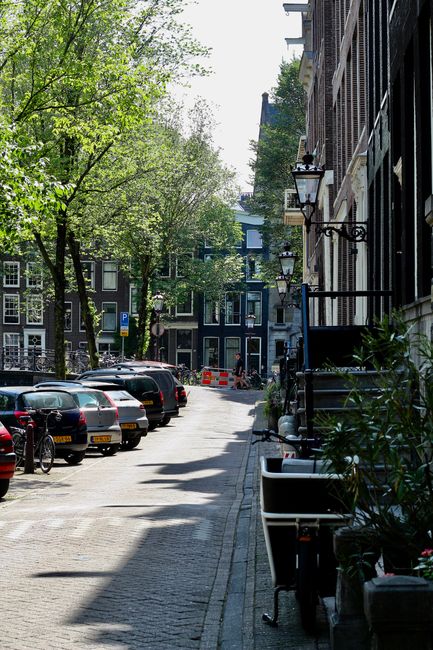
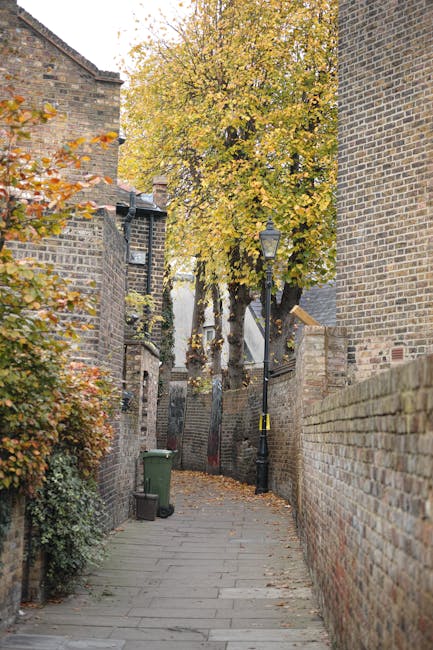
If you are planning a move in N11, you already know the streets can be awkward. Tight corners, parked cars, low bridges, older terraces, flats tucked behind side roads, and loading spaces that vanish the moment you need them. This N11 removals guide for narrow streets and low bridges is here to make the whole thing feel less like guesswork and more like a plan.
Moving through a restricted route is not just about having a van and hoping for the best. It is about vehicle choice, timing, parking sense, building access, and a calm look at what might block the job before it blocks your day. In our experience, that small bit of preparation saves more stress than any last-minute rush ever can. Let's get into it properly.
Table of Contents
- Why this matters
- How it works in practice
- Key benefits and practical advantages
- Who this is for and when it makes sense
- Step-by-step guidance
- Expert tips for better results
- Common mistakes to avoid
- Tools, resources and recommendations
- Law, compliance, standards and best practice
- Options, methods and comparison table
- Case study or real-world example
- Practical checklist
- Conclusion
- Frequently asked questions
Why N11 removals guide for narrow streets and low bridges Matters
Moves in N11 often come with the same awkward ingredients: residential roads that feel narrower than they look on a map, turning points that are tighter in real life, and occasional height restrictions that can catch out a driver who has not checked the route properly. If you ignore that side of the move, everything else gets harder. A perfectly packed van is no use if it cannot safely reach the property.
That is why route planning matters so much. A low bridge can force a different vehicle size. A narrow street can change where the crew parks and how far items need to be carried. A one-way system or roadworks can add time. None of that is dramatic on its own, but together they can turn a straightforward job into a slightly miserable morning. Truth be told, that is usually where the stress starts.
This matters even more if you have bulky furniture, fragile items, or a fixed handover window. If the removal team arrives and has to improvise at the kerbside, you can lose time and energy very quickly. The better approach is to treat access as part of the move itself, not an afterthought.
Expert summary: for narrow streets and low bridges, the best removal plan is rarely the biggest van. It is the right vehicle, the right route, and the right loading setup.
How N11 removals guide for narrow streets and low bridges Works
The basic idea is simple: first you understand the restrictions, then you match the removal plan to them. In practice, that means checking the road layout around both properties, assessing vehicle height and length, and deciding whether the move is better served by a smaller van, a shuttle transfer, or timed loading.
A proper access-led move usually follows a few stages. First, the move is assessed from both ends. Then the driver or removals team looks at the route, not just the postcode. After that, they decide whether the vehicle can safely approach the property or whether a short carry distance is unavoidable. Small detail, big difference.
For example, a narrow residential street near N11 might allow a medium van to enter early in the morning, before local parking fills up. But a larger moving truck could struggle to turn or reverse without causing delays. In another case, a low bridge might make a taller vehicle impossible, even if the street itself looks manageable. It is a bit of a puzzle, but not a hard one if you check the facts first.
Good removals planning also includes the people side of the move. If lifts, stairwells, or front-garden access are involved, the crew needs to know where they can stage items and whether they will need extra carrying equipment. That is where a service like man and van support can be a practical fit for smaller, tighter-access moves. For larger household jobs, a more structured option such as house removals may be a better match, especially when there is furniture to protect and time pressure to manage.
Key Benefits and Practical Advantages
When the access plan is done well, the benefits are immediate. You get fewer surprises, less backtracking, and a move that feels organised rather than chaotic. That may sound obvious, but anyone who has tried to shuffle a wardrobe down a cramped street in the rain will know the value of obvious things.
- Less risk of vehicle problems: the wrong-sized van is one of the easiest ways to create a headache.
- Safer lifting and carrying: shorter, clearer routes reduce strain and reduce the chance of knocks or scuffs.
- Better timing: less waiting around for parking, turning space, or a route detour.
- Lower chance of avoidable damage: to door frames, furniture, floors, and the vehicle itself.
- More accurate pricing: access issues can affect labour time, vehicle selection, and trip planning.
There is also a quiet emotional benefit. Once you know the access plan is realistic, the rest of the move feels more manageable. You stop wondering whether the van will fit under a bridge or whether someone is going to end up carrying boxes two streets away. That peace of mind is worth a lot on moving day.
For many people, the right setup is a smaller vehicle, careful parking, and a well-packed load rather than a massive truck squeezed through a street that never wanted it there in the first place. If you are comparing options, pages such as removal services and moving van can help you think through the practical side of the job.
Who This Is For and When It Makes Sense
This kind of planning is useful for anyone moving in or out of a tight-access area, but it is especially relevant if you live on a side street, near a bridge, or in an estate with limited turning space. It also matters if your building has awkward stairs, shared entrances, or no proper loading bay. Not glamorous. Very real.
You will usually benefit from this approach if you are:
- moving from a flat on a narrow road
- moving near a low bridge, rail bridge, or height-restricted route
- using a van for a student, one-bedroom, or partial move
- relocating a family home with bulky furniture and limited frontage
- booking a same-day move where access has to be right the first time
- organising a business move in a built-up area with loading restrictions
It makes sense whenever the move depends on getting the vehicle close enough to do the job efficiently. If the best outcome is not "park outside the door" but "park somewhere sensible and work cleanly from there," you are in the right territory.
Commercial moves can be a different beast altogether, especially where offices are located in busy streets or mixed-use buildings. In that case, a service like commercial moves may be worth looking at because business relocations often need tighter timing, clearer coordination, and a bit more planning around access windows.
Step-by-Step Guidance
1. Check the access at both ends
Start with the obvious question: can the van actually get where it needs to go? Look at street width, turning points, bridge height restrictions, one-way systems, and any obvious pinch points. If the road is tight, do not rely only on memory. A street can feel very different when there is a van parked opposite and a refuse truck somewhere in the background at 8:15 a.m.
2. Measure the larger items
Doorways, hallways, sofas, beds, wardrobes, appliances, and the odd awkward lamp base all matter. If a piece of furniture can only come out at a particular angle, you want to know that before the van arrives. This is where a quick check saves a lot of muttered frustration.
3. Match the vehicle to the route
Do not default to the biggest vehicle available. Sometimes a smaller van is the smarter choice because it is easier to position, easier to unload, and less likely to cause access issues on a tight street. If the route includes a low bridge, height matters more than capacity on paper.
4. Plan the parking and loading point
Work out where the vehicle can stop legally and safely. The loading point might be outside the property, around the corner, or a short walk away. Build that distance into your timing. It is not a complication; it is just part of the job.
5. Protect the item flow
Items should move from property to vehicle in a clear sequence. You do not want boxes going one way and furniture going another, with someone holding the front door open and wondering what happened to the tape. Keep the load order sensible: heavy, awkward, and frequently needed items first, then lighter boxes, then anything fragile in a secure position.
6. Allow time for real-life delays
A driver may need to wait for a gap in traffic or reverse carefully into position. You may need to work around neighbours, school-run traffic, or a parked car that was not there when you checked earlier. A slightly flexible schedule is not a luxury. It is sensible planning.
7. Confirm the handover details
If keys, access codes, or arrival windows are involved, confirm them in advance. A tight-access move becomes much easier when everyone knows who is meeting whom, where, and at what time. Simple, but easy to miss in the rush.
Expert Tips for Better Results
In our experience, the best tight-access moves are the ones that look a little boring from the outside. Nothing dramatic. Nothing heroic. Just preparation, clear communication, and the right kit.
- Use a route check the day before. A lot can change overnight, especially in busier parts of London.
- Keep the largest item accessible. If the sofa is buried under everything else, the whole unload slows down.
- Take photos of awkward access points. A quick picture of the road, gate, or staircase helps the removals team visualise the job.
- Protect both the property and the load. Door protectors, blankets, and straps are not optional decoration.
- Move early if you can. Morning often gives you better road space and less local congestion.
- Check bridge height on the exact route. Nearby roads can be deceptively different. One turn is enough to change everything.
A small but useful tip: keep one box for immediate essentials and label it clearly. On a day where the van is parked a bit further away than planned, being able to find the kettle, phone charger, and paperwork fast can feel like a minor miracle. Honestly, those are the little wins.
If you are still comparing removal options, a page such as removals can help frame the service level you actually need, while pricing and quotes is useful when you want a clearer picture of how access and timing may affect cost.
Common Mistakes to Avoid
Most tight-access problems are preventable. The usual slip-ups are not dramatic, just annoying. Which, to be fair, is often worse because they are so avoidable.
- Assuming a larger van is always better. Bigger is not always smarter on narrow streets.
- Not checking bridge height properly. Relying on guesswork is a bad bargain.
- Ignoring parking restrictions. A good access plan can still fail if the stopping point is illegal or blocked.
- Leaving bulky items until the end. This creates bottlenecks when you need flow.
- Failing to tell the removals team about stairs or shared entrances. Small details matter, annoyingly so.
- Underestimating carry distance. A short walk sounds fine until it is repeated twenty times with heavy boxes.
Another common one? Forgetting that weather exists. Rain makes surfaces slick, thresholds wetter, and carrying slightly more awkward. Not a disaster, but it adds friction. A bit of rain in London and suddenly everything feels a little more crowded, a little more hurried.
If you want to avoid the classic last-minute scramble, it helps to look at related planning advice too, such as navigating narrow street moves and avoiding parking fines and loading problems. Those articles sit nicely alongside the access side of the move.
Tools, Resources and Recommendations
You do not need fancy gear for a well-run access-sensitive move, but a few practical tools make life easier. Nothing glamorous here. Just the things that stop a moving day from turning into a shuffle.
| Tool or resource | Why it helps | Best use |
|---|---|---|
| Measuring tape | Checks furniture, doorways, and awkward gaps | Before the move, and again if something looks tight |
| Phone photos | Shows access points, bridge approaches, and street layout | When you want to brief the removals team quickly |
| Furniture blankets and straps | Protects items during loading and transport | Any move with tight corners or delicate surfaces |
| Trolley or sack truck | Reduces strain and speeds up carrying | Useful where the vehicle cannot park directly outside |
| Labels and marker pens | Keeps the load organised | When a shorter carry means more handoffs and more chances for mix-ups |
There is also value in choosing the right type of removals support. A man and van removals setup can be ideal for smaller moves or for properties with limited access, while a larger crew through removal company services may suit fuller house moves where multiple items and time pressure need more coordination.
For anyone moving from or into a flat with difficult access, the article on handling narrow stairs in Brunswick Park moves is also worth a read because stairs and streets often create the same kind of loading challenge, just indoors rather than outside.
Law, Compliance, Standards and Best Practice
With narrow streets and low bridges, compliance usually comes down to practical road safety, parking rules, and sensible working methods. The exact requirements can vary by location and road layout, so it is wise to check local restrictions rather than assume standard access applies everywhere. That sounds obvious, but people still get caught out.
Good practice generally means the following:
- park legally and safely
- avoid blocking emergency access
- respect loading restrictions and local signs
- do not force a vehicle through a restricted height or width route
- use the correct lifting methods and enough people for the job
- protect the property and shared areas while moving items
Insurance and safety also matter. If a vehicle or item is damaged because the access route was not properly assessed, it can become a messy conversation very quickly. That is why it helps to work with providers who treat risk assessment seriously and explain how they handle awkward access. A good place to start is the site's insurance and safety information, together with the health and safety policy. Those pages give a clearer sense of the standards expected behind the scenes.
For business users, the same logic applies to workplace moves. It is not just about getting from A to B; it is about doing so in a way that is safe, organised, and compatible with the building and road conditions around you. Best practice is really just common sense with a bit more structure.
Options, Methods and Comparison Table
There is no single best method for every narrow-street or low-bridge move. The right choice depends on vehicle size, access, volume, and how much carrying distance you can tolerate. Here is a simple comparison.
| Method | Best for | Pros | Limitations |
|---|---|---|---|
| Small van move | Compact loads, tight streets, height restrictions | Easier parking, better manoeuvrability, often quicker in built-up areas | Less capacity, may need more than one trip |
| Medium van move | One-bedroom or partial moves with moderate access | Good balance of space and access | Still needs careful route checking |
| Large truck or full removal vehicle | Full house moves with better road access | More volume in one go, efficient for larger jobs | Can struggle on narrow roads and under low bridges |
| Shuttle transfer | Where the main vehicle cannot reach the property | Flexible, useful for restricted streets | Extra handling and potentially more time |
There is a practical trade-off here. A larger vehicle may look cheaper at first, but if it has to park far away or avoid a low bridge, the job can become slower and less efficient. Meanwhile, a smaller van might mean an extra trip, but the overall move can still run more smoothly. That is the bit people sometimes miss.
If you are comparing options and want to keep the process straightforward, pages like removal van and moving truck are a helpful way to think through what size of vehicle suits the route rather than just the load.
Case Study or Real-World Example
A typical N11 scenario goes like this. A customer is moving from a first-floor flat on a residential street with parked cars on both sides and a low-ish bridge on the usual route out. On paper, the move looks modest: a sofa, a bed, several boxes, a dining table, and a few fragile items. The problem is not the volume. It is the access.
Instead of sending a large van, the move is planned around a smaller vehicle that can travel safely under the bridge and position more easily on the street. The team arrives early, before the road gets busy, and the loading point is chosen carefully so the carry distance stays reasonable. A trolley is used for the heavier items, and the largest furniture is loaded first so the van space is used cleanly.
The result is not magical. No brass band. But the job finishes on time, the furniture stays protected, and nobody spends half the morning trying to reverse a vehicle into a space that was never really there. That is the sort of result you want. Quietly successful.
A similar situation often comes up for people moving from older properties or estate flats. If that sounds familiar, the guide on estate flat move checklists can be a useful companion read because the planning logic overlaps a lot.
Practical Checklist
Use this checklist before moving day. It is simple, but it catches most of the common access problems before they become problems.
- Confirm the exact address and postcode for both ends of the move
- Check the route for narrow streets, one-way roads, and low bridges
- Measure tall furniture and wide items before booking the vehicle
- Tell the removals team about stairs, lifts, gates, and shared entrances
- Identify the safest legal parking or loading point
- Book the right size vehicle for the route, not just the volume
- Prepare blankets, straps, tape, and labels
- Pack an essentials box for the first night
- Keep keys, permits, and access instructions ready
- Allow extra time for delays, traffic, and careful loading
Quick reminder: if the route feels uncertain, check it again. The second look usually catches something the first one missed. It happens all the time.
If you are still at the planning stage, a bit of advice on preparation can help too, and the page on packing efficiency for a hassle-free move is especially useful when you want fewer boxes, less clutter, and a cleaner loading process.
Conclusion
A good move in a restricted-access area is not about luck. It is about respecting the road, choosing the right vehicle, and planning for the awkward bit before it becomes awkward. That is the heart of any solid N11 removals guide for narrow streets and low bridges: make the route part of the decision, not just the postcode.
If you remember only one thing, let it be this: the smoothest move is usually the one that was sized, timed, and checked properly from the start. Not flashy. Just smart. And on moving day, smart is a relief.
Get a free quote today and see how much you can save.
When the street is tight and the bridge is low, a careful plan is not overkill; it is the kindest thing you can do for yourself on the day.
Frequently Asked Questions
What is the main purpose of an N11 removals guide for narrow streets and low bridges?
It helps you plan a move around access limits such as tight roads, height restrictions, difficult parking, and awkward loading points so the move runs safely and efficiently.
Should I choose a smaller van for a narrow street move?
Often, yes. A smaller van can be easier to park, turn, and unload on a narrow street. The best choice depends on both the route and the amount you need to move.
How do low bridges affect removals?
Low bridges can rule out taller vehicles entirely. If the vehicle height is not checked against the actual route, you may need a detour or a different van size.
Do I need to measure my furniture before booking?
It is a very good idea. Large items such as wardrobes, sofas, and beds can be awkward to carry and load, especially when the access route is already tight.
What if the van cannot park outside my property?
That is common in built-up areas. The move can still work with a short carry distance, but it should be planned in advance so timings, staffing, and equipment are realistic.
Can a man and van service work for low-bridge routes?
Yes, if the vehicle size suits the route. For smaller or tighter-access moves, a man and van setup can be a practical option.
How much extra time should I allow for a narrow street move?
There is no fixed rule, because every street is different. It is sensible to allow a little extra time for parking, carrying, and any small route delays.
What are the most common mistakes people make?
The biggest ones are choosing the wrong vehicle size, forgetting about bridge height, ignoring parking restrictions, and not telling the removals team about access problems.
Is it safer to move early in the day?
Usually, yes. Early starts can mean less traffic, more parking space, and fewer delays from neighbours or passing vehicles.
Do I need special equipment for tight access moves?
Not always, but trolleys, straps, blankets, and door protection often make a big difference, especially where carrying distance or narrow passages are involved.
How do I know if I need a full removal company rather than a smaller setup?
If the move includes a lot of furniture, multiple rooms, or tricky access at both ends, a more structured removal service is often the better fit.
What should I tell the removals team before moving day?
Tell them about street width, low bridges, staircases, lifts, parking restrictions, access codes, and anything else that could affect vehicle positioning or loading.
Is this type of move more expensive?
It can be, depending on the vehicle needed, the carry distance, and the extra time involved. That said, a well-planned move usually avoids wasted time and avoidable costs.
Can narrow-street moves still be straightforward?
Absolutely. They just need a little more thought. Once the route, vehicle, and loading plan are set properly, the rest tends to fall into place.