Bulky item removals in Brunswick Park for tight staircases
Posted on 22/05/2026
Bulky item removals in Brunswick Park for tight staircases: a practical guide for difficult moves
If you live in Brunswick Park and you've ever tried to move a sofa, wardrobe, bed base, piano, or American-style fridge down a narrow stairwell, you already know the problem. It's rarely the item itself that causes the headache. It's the angle. The landing. The banister. The awkward turn halfway down where everyone has to stop, breathe, and reconsider. That is exactly why bulky item removals in Brunswick Park for tight staircases need a careful, measured approach rather than a brute-force one.
This guide walks you through how it works, what makes it tricky, and how to make the process safer and less stressful. Whether you are planning a one-off furniture move, clearing a flat, or preparing for a bigger relocation, the goal is the same: get the item out without damaging your home, your belongings, or your back. And, to be fair, that last part matters more than people admit.
Along the way, we'll cover planning, lifting technique, common mistakes, practical tools, and the kind of judgement that only comes from doing this properly. If you are also organising a wider move, you may find our services overview useful, along with our furniture removals in Brunswick Park page for related support.
Why Bulky item removals in Brunswick Park for tight staircases Matters
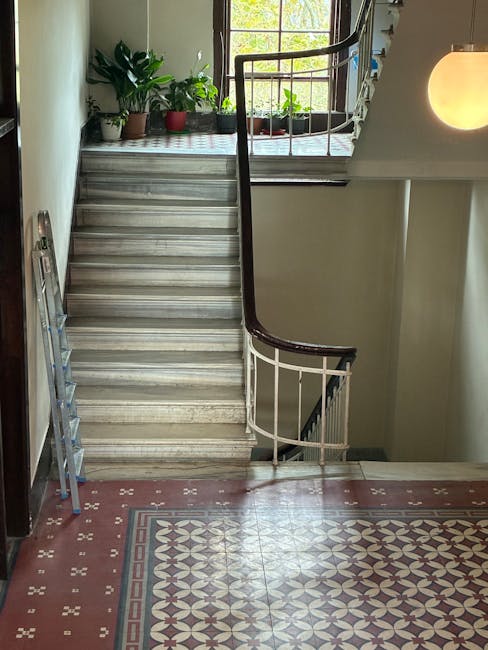
Brunswick Park has plenty of properties where access is not generous. Flats, maisonettes, period conversions, and maisonette-style layouts often come with stairs that look fine for daily use but feel suddenly very small when you try to move a mattress or heavy cabinet through them. That's where the risk begins.
Bulky item removals in tight staircases matter because the margin for error is tiny. A wardrobe can scrape a wall in one second. A sofa can catch on a banister. A fridge can twist a wrist if it slips mid-turn. And once an item has started moving, you may not have enough room to stop it safely. It sounds dramatic, but anyone who has tried to pivot a divan bed on a narrow landing knows the feeling.
The other reason it matters is that awkward access often causes hidden damage, not just obvious damage. A chipped plaster corner, a dented doorframe, scuffed paint on a stair tread, or a bent hinge can add up quickly. If the item is valuable, awkward, or sentimental, it is usually worth slowing down. If you are planning to clear out a few large pieces first, creating a clutter-free space before moving day can make the whole process far easier.
Expert summary: The safest bulky removals are rarely the fastest ones. In tight staircases, planning beats strength, and measuring beats guessing. A calm two-minute pause before lifting can save twenty minutes of trouble later.
How Bulky item removals in Brunswick Park for tight staircases Works
The process usually starts with an assessment. You look at the item, the staircase, the landings, door widths, corners, and any obstacles such as light fittings, railings, radiators, or narrow hallway bends. In many homes, the item will not move in a straight line. It will need to be tilted, rotated, or carried in stages. That is normal.
Professional movers typically work from the outside in: first measure, then clear access, then protect surfaces, then plan the lift. If the item is especially heavy or awkward, it may be wrapped, dismantled, or carried by two people using controlled hand positions. When necessary, the route is adjusted so the item travels at the safest angle rather than the most convenient one.
There is a big difference between "it fits" and "it fits safely". A sofa might physically squeeze down a stairwell, but if it leaves no room for hands, grip adjustment, or controlled movement, that is not really a fit. The same applies to wardrobes, king-size beds, pianos, freezers, and large white goods. For items like pianos, there is a reason specialist care matters; our article on professional piano moving care explains that logic well.
For some jobs, access planning is just as important as the move itself. That might mean disassembling furniture, removing doors temporarily, or deciding that a different exit route is safer. If you are moving a bed, it helps to understand the practical steps involved; see the process of moving a bed and mattress for a closer look.
Key Benefits and Practical Advantages
There is a clear reason people choose a structured bulky item removal service rather than a do-it-yourself attempt. The benefits are not just about convenience. They are about avoiding pain, stress, and expensive mistakes.
- Less risk of damage: walls, bannisters, doors, flooring, and the item itself are less likely to get marked or broken.
- Safer lifting: experienced movers use better positioning and controlled movement, which reduces strain.
- Faster decision-making: instead of improvising halfway down the stairs, the route is planned in advance.
- Better handling of awkward items: large sofas, wardrobes, mattresses, appliances, and pianos each need a slightly different approach.
- Reduced stress: you do not have to keep asking, "Can we angle it a bit more?" while trapped on a landing.
Another practical advantage is that a proper removal team can spot issues before they become problems. They may notice that a chest of drawers needs the handles removed, or that a freezer should be emptied and prepared before moving. If cold storage is part of the job, proper storage tactics for freezers not in use can help you avoid mess and damage.
There is also a quieter benefit: confidence. Once you know the route has been checked, the item wrapped, and the lifting planned, the whole day feels less chaotic. That matters more than people think.
Who This Is For and When It Makes Sense
This kind of service is useful for a lot more people than you might expect. It is not just for full house moves. In Brunswick Park, it often suits people dealing with one or two bulky pieces, especially where access is awkward.
You may need this service if you are:
- moving out of a flat with a narrow staircase or tight landing
- replacing a large sofa, wardrobe, bed, freezer, or appliance
- clearing a property before sale or rental handover
- upgrading furniture and need the old piece removed
- helping a student or relative move heavy belongings safely
- dealing with an urgent same-day collection or disposal
It also makes sense when you simply do not want to risk injury. Truth be told, many people underestimate how quickly a small lifting job becomes a bad one. One person at the bottom, one person at the top, a corner catches, someone twists. Then the tone changes very fast.
If the move is part of a larger relocation, consider whether you need a broader plan. Our house removals in Brunswick Park page is a good starting point for fuller moving support, while flat removals in Brunswick Park may be more relevant for apartment moves with stair access constraints.
Step-by-Step Guidance
Here is a practical way to approach bulky item removals in a property with tight stairs. Keep it simple. That usually works best.
- Measure the item and the route. Check height, width, depth, and the tightest points on the staircase. Don't forget banisters, doorframes, and ceiling corners.
- Clear the path. Remove shoes, rugs, side tables, photo frames, and anything that could trip someone or restrict movement.
- Protect the home. Use blankets, corner protection, and floor covers where needed. Even careful movers can nick paint on a narrow turn.
- Prepare the item. Remove detachable parts such as shelves, doors, drawers, legs, cushions, or handles if that makes the item easier to move.
- Plan the carry. Decide who leads, who supports the base, and where the pause points are. The lead person should call the changes clearly.
- Test the angle. Sometimes the item will need to be turned on its side, tilted, or carried vertically. Check carefully before committing.
- Move in stages. Use landings as controlled resting points, not as places to rush a final shove.
- Load securely. Once outside, the item should be secured in the removal van so it does not shift in transit.
If you are doing some of the packing yourself, a little structure helps. Our guide on maximising packing efficiency for a hassle-free move is useful for getting organised without overthinking every box.
One small but important point: if the item feels like it needs force, stop and reassess. Forcing furniture through a narrow staircase is how walls get cracked and tempers get tested. Nobody needs that at 8:30 on a rainy Tuesday.
Expert Tips for Better Results
The best bulky removals are won before the item moves even an inch. A few small choices make a real difference.
- Take measurements twice. A tape measure is cheaper than a damaged bannister.
- Remove obstacles early. If there is a hallway mirror, a lamp, or a plant stand near the route, move it out of the way before the team arrives.
- Don't overpack drawers or shelves. An item that seems manageable when empty becomes awkward once it gains weight.
- Use the right number of people. Two well-coordinated movers are usually better than three people all trying to help in different directions.
- Wear proper footwear. Grip matters on stairs. Slippery soles and steep steps are not a good mix.
- Think about weather. Wet shoes, damp steps, and a heavy item can make the first and last few metres surprisingly tricky.
There is also a lifting principle that gets overlooked: the best line is not always the shortest line. Sometimes a slightly longer route, or a temporary pause to re-angle the item, is the safest way through. Our article on kinetic lifting principles explores this idea in plain English.
If you are moving alone and trying to "just get it done", have a read of solo heavy lifting mastery first. It's honest advice, and probably saves a shoulder or two.
Common Mistakes to Avoid
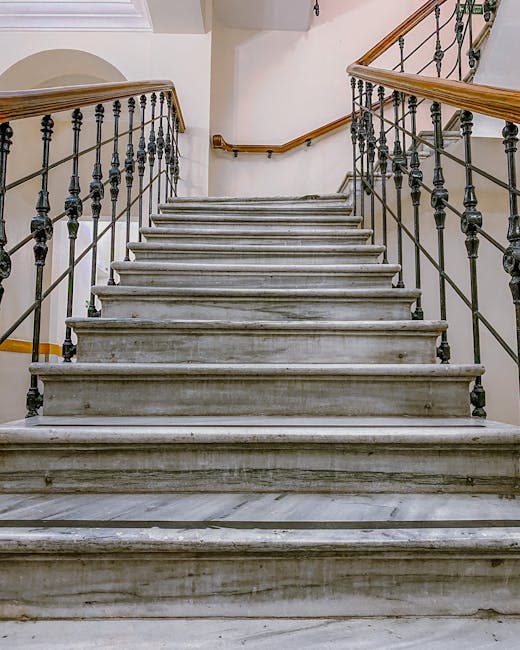
A lot of problems with bulky item removals in Brunswick Park come from rushing, guessing, or assuming the staircase will be forgiving. It won't. Staircases are, annoyingly, very honest about size.
- Skipping measurements: this is the classic one. "It should fit" is not a plan.
- Forgetting the turning space: a landing can be narrower than the stair run itself, which catches people out.
- Leaving drawers or shelves inside: extra weight changes balance fast.
- Dragging instead of lifting: dragging may feel easier, but it often damages steps and the item.
- Ignoring door removal as an option: sometimes a door off its hinges solves the issue immediately.
- Trying to twist too sharply: this often causes the item to bind against the wall or handrail.
- Not planning where to rest: with bulky items, pauses should be deliberate, not panicked.
There is a subtler mistake too: people sometimes assume that if the item is large but light, it is automatically easy. Not really. Light but awkward items, such as large mattresses or broad table tops, can be harder to manoeuvre than denser furniture. Shape matters. A lot.
Another common oversight is poor room preparation. Before moving day, it helps to clear clutter and make space for both the item and the people handling it. For broader preparation tips, see how to clean your house like a pro before moving day.
Tools, Resources and Recommendations
You do not need a warehouse of specialist equipment for every move, but having the right tools saves effort and reduces risk. The exact kit depends on the item and the property layout.
| Tool / resource | What it helps with | Best used for |
|---|---|---|
| Furniture blankets | Protects surfaces and item edges | Wardrobes, sofas, cabinets |
| Straps and ties | Improves control and balance | Heavy or tall items |
| Gloves with grip | Reduces slip and improves handling | General lifting on stairs |
| Corner protectors | Limits scuffs to walls and doorframes | Narrow stairwells and landings |
| Removal van with secure load space | Stops items moving in transit | Bulky furniture and appliances |
For many households, the most useful resource is not a tool at all. It is timing. If the route is tight, don't try to squeeze the removal into a slot when everyone is tired, hungry, or in a rush. A calm hour can be worth far more than a frantic thirty minutes. Our man with a van in Brunswick Park page is helpful if you need a flexible local option, while removal van support in Brunswick Park can suit loads that need secure transport.
If you are still deciding whether to hire help or do it yourself, look at the whole picture: item weight, staircase width, number of turns, parking access, weather, and how much time you genuinely have. These are the bits that decide whether a move feels smooth or messy. Usually messy. Unless you plan properly.
Law, Compliance, Standards, or Best Practice
For bulky item removals, there are a few practical standards and expectations worth keeping in mind. This is not a legal deep dive, but it does help to be sensible and careful.
First, health and safety should guide the job. That means avoiding unsafe lifting, using teamwork where needed, and not putting people at risk just to save time. Heavy or awkward lifting can cause injury if done badly, so it is reasonable to treat the task with respect rather than optimism.
Second, property care matters. In shared buildings, flats, and managed developments, it is good practice to protect communal areas, keep noise reasonable, and avoid blocking exits or stair access for others. If there are building rules, follow them. That may sound obvious, but people do forget in the heat of the moment.
Third, if an item is being disposed of, recycled, or stored, it should be handled responsibly. Some furniture and appliances can be re-used or recycled, while others need different treatment. Our recycling and sustainability page covers that broader approach, and storage in Brunswick Park may help if the item is not ready to go to its final destination yet.
Finally, if you are booking a service, it is always sensible to review the provider's insurance, safety approach, and terms. Those details exist for a reason. If something goes wrong, you want clarity, not guesswork. Our insurance and safety page and terms and conditions are the right places to look before you confirm anything.
Options, Methods, or Comparison Table
There is more than one way to handle a bulky item in a tight staircase, and the best option depends on the item, the building, and your tolerance for risk.
| Method | Best for | Pros | Limitations |
|---|---|---|---|
| DIY carry | Small bulky items with easy access | Low direct cost | Higher risk of injury or damage; often slow |
| Two-person assisted move | Medium-heavy furniture, mattresses, some appliances | Better control and balance | Still requires planning and physical effort |
| Professional removals support | Awkward, valuable, or heavy items; tight staircases | Safer, faster decision-making, better protection | Cost is higher than doing it yourself |
| Disassembly before removal | Wardrobes, bed frames, some modular items | Can solve access problems | Needs time, tools, and careful reassembly |
If your staircase is particularly unforgiving, disassembly is often underrated. A wardrobe that will never safely turn the corner can often move easily once broken into sensible parts. Not glamorous, but effective.
Case Study or Real-World Example
Picture a typical Brunswick Park flat move. A family has a large three-seater sofa to remove from the first floor. The staircase is narrow, the landing turns sharply, and there's a radiator just where everyone wishes it wasn't. At first glance, it looks like a squeeze.
The first step is to measure the sofa and the route. The team notices the sofa legs can be removed, which lowers the height and gives more room for rotation. A blanket is placed over the handrail, and the hallway is cleared so nobody has to step over bags or shoes while carrying the load. One person leads the top end, one steadies the base, and they stop on the landing before the turn.
At that point, the sofa is angled slightly, not forced. The final turn takes a bit of patience, but it comes through without scraping the wall. Nothing dramatic happens. That is the point. Good removals often look almost boring from the outside, because the thinking happened earlier.
In another nearby scenario, a freezer that had been left in use overnight needed moving the next day. The owner had already read up on what to do with a freezer not in use and had already defrosted and cleared it. That tiny bit of prep made a messy job far cleaner. Less dripping, less lifting strain, fewer surprises. Simple, really.
Practical Checklist
Use this checklist before moving any large item down a narrow staircase. It keeps the job grounded.
- Measure the item and the narrowest part of the staircase
- Check landing space and turning angles
- Remove drawers, shelves, doors, legs, handles, or cushions if possible
- Clear hallways, landings, and entrance routes
- Protect walls, floors, and banisters
- Confirm the number of people needed for the lift
- Wear proper footwear with good grip
- Plan where to pause and rest
- Decide whether the item should be dismantled
- Confirm van access and parking before the move starts
- Check whether the item needs wrapping or weather protection
- Review insurance, safety, and service terms before booking
If the list feels a bit much, that is okay. It is supposed to feel like preparation, not a test. You do not need perfection. You just need fewer surprises.
Conclusion
Bulky item removals in Brunswick Park for tight staircases are all about reducing risk and making smart choices under awkward conditions. The staircase is often the real challenge, not the furniture itself. Once you understand the route, clear the space, and choose the right handling method, the job becomes far more manageable.
Whether you are shifting a sofa, mattress, wardrobe, freezer, or something more delicate, the same rule applies: measure, plan, protect, and move patiently. The result is not just a successful removal. It is a calmer day, fewer repair worries, and a lot less strain on everyone involved.
If your move is part of a bigger transition, it may help to explore our removals in Brunswick Park page or learn more about local removal services for a broader overview of what is available. And if you want to understand the company behind the service, take a look at our about us page. A little trust goes a long way on moving day.
Get a free quote today and see how much you can save.
When the staircase is tight and the item is unwieldy, a careful plan can turn a stressful lift into an ordinary job. That's usually the best outcome. Quietly ordinary. The good kind.