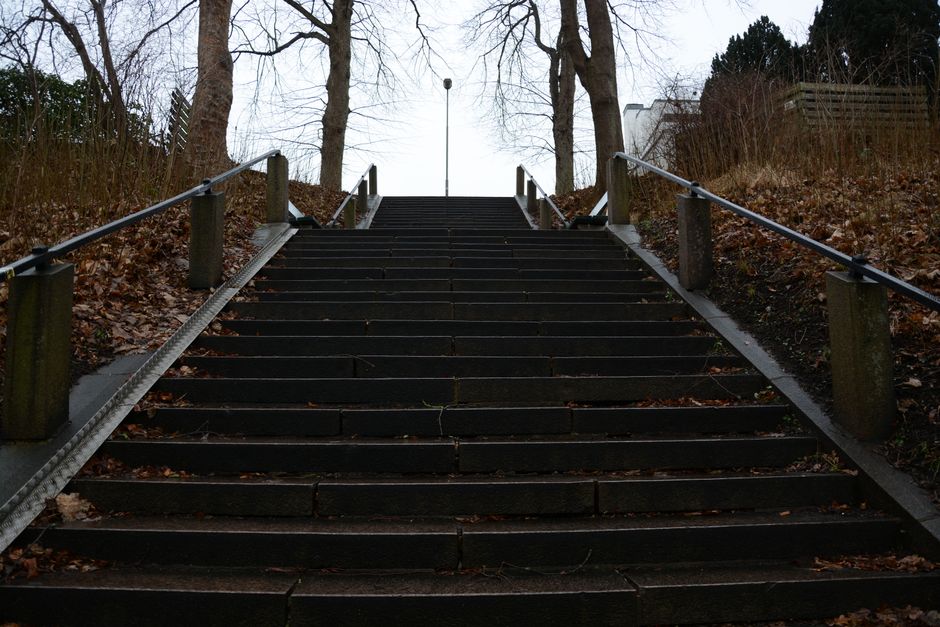
Handling narrow stairs in Brunswick Park moves: a practical guide for safer, smoother removals
Moving house is stressful enough without discovering that the staircase is too tight for the sofa, the mattress, or that awkward bookcase you swore would fit. If you are handling narrow stairs in Brunswick Park moves, the problem is rarely just "small stairs". It is usually a mix of awkward corners, low ceilings, turn landings, heavy furniture, and the simple fact that one wrong move can slow the whole day down. The good news? With the right prep, the right order of work, and a calm approach, you can make even a tight stairwell far less dramatic. This guide walks through what matters, what to avoid, and how to plan like someone who has done it before - because, truth be told, that makes all the difference.
Why narrow stairs matter in a Brunswick Park move
Narrow staircases are one of those moving-day details that sound minor until you are standing at the bottom of the stairs with a chest of drawers that will not turn. In Brunswick Park, as in many London homes and flats, access can be the deciding factor between a quick move and a frustrating one. A staircase that looks manageable in daylight can feel dramatically smaller once you are carrying a bulky item and trying not to scrape the wall or catch a banister.
This matters for three main reasons. First, it affects safety. Tight turns increase the chance of slips, strains, dropped items, and knocks to fingers, shoulders, or shins. Second, it affects time. One failed attempt at a staircase turn can eat ten minutes, then twenty, then suddenly the van is waiting and everyone is getting tired. Third, it affects property protection. Walls, paintwork, handrails, banisters, and flooring can all take a beating if furniture is forced rather than guided.
There is also a more subtle issue: stress. People tend to underestimate how mentally tiring tight access can be. The stairs start to feel personal somehow. You may notice the team going quiet, measuring things twice, and making small pauses before every lift. That is not indecision; it is usually good practice. A little caution saves a lot of regret.
Expert summary: Narrow stairs are not just an access problem; they are a planning problem. The best results come from measuring properly, reducing load sizes, protecting surfaces, and choosing the order of items carefully.
For moves that involve awkward access plus heavy furniture, it often helps to think beyond the stairs themselves and look at the full packing and loading plan. Our guide on maximising packing efficiency for a hassle-free move is a useful companion piece because the easier items are to pack, the easier they are to carry through tight spaces.
How narrow staircase moving works in practice
Handling a cramped stairwell is really about sequence. You do not simply pick up a large item and hope. A good move starts with a look at the route: front door, hallway, first turn, landing, upper bend, and any awkward points where a piece needs to rotate. Once you understand the route, you can decide what needs dismantling, what can be wrapped and carried as-is, and what probably should not be forced at all.
The general process is straightforward, though not always easy:
- Assess the access route. Measure the narrowest point, note the turning space, and check for low ceilings, radiators, light fittings, or protruding bannisters.
- Sort the items by difficulty. Flat-pack pieces, mattresses, white goods, and solid wood furniture all behave differently on stairs.
- Reduce the size where possible. Remove legs, shelves, handles, doors, and loose parts before lift-off.
- Protect the property. Use covers, blankets, corner protection, and floor runners where needed.
- Plan the carry. Decide who leads, who supports, and where the item can be safely paused if needed.
- Move slowly and communicate. Short, clear calls work better than long instructions shouted halfway up a stairwell.
It sounds simple on paper. On the stairs, though, small details matter. A wardrobe that is fine in an open hallway can become a problem as soon as it has to tilt through a twist. A mattress can be easy on the way down and awkward on the way up, depending on the angle. And yes, the old classic still applies: the bit that looks easiest is sometimes the bit that causes the delay.
If your move includes larger pieces such as sofas, wardrobes, or dining tables, it may be worth reading about bulky item removals in Brunswick Park for tight staircases. That topic sits very closely beside this one and gives a useful sense of how specialists handle oversize furniture when the access is less than friendly.
Key benefits and practical advantages
When narrow stairs are handled well, the difference is immediate. The move feels calmer, less rushed, and much less likely to result in damage. That is the obvious benefit. But there are a few others that are easy to miss until you have been through it once or twice.
- Less chance of damage: Furniture, walls, banisters, and floors all stay in better condition when items are guided rather than muscled through.
- Less fatigue: Smart planning reduces repeated lifts, which matters more than most people expect.
- Better use of time: A clear route and sensible item order keep the day moving.
- Lower stress: You do not end up arguing with the staircase. Small win, but a real one.
- More flexible decision-making: If one piece cannot safely go upstairs, you know early enough to change the plan.
There is also a financial angle. Avoiding damage can help prevent repair costs or replacement costs later, and that is not something anyone wants after an already expensive move. If you are comparing moving help, the right kind of support can be easier to justify once you factor in time, labour, and risk. For a broader look at service options, the services overview page is a sensible place to understand the range of support available.
To be fair, the biggest benefit is peace of mind. Once you know a wardrobe will not get wedged halfway up the stairs, the rest of the day feels lighter. You breathe differently. Everyone does.
Who this is for and when it makes sense
This approach is useful for almost anyone moving in or out of a property with limited access, but it is especially relevant if your home has one or more of these features:
- a narrow internal staircase with a tight turn
- an upper-floor flat with awkward landing space
- older properties where stair width is uneven
- split-level homes with small stairwells
- bulky household items that cannot be lifted safely by one person
- little room for manoeuvre at the top or bottom of the stairs
It also makes sense if your move involves a mixture of delicate and heavy pieces. For example, a student might have only a few items but still own a deep mattress or a desk that will not twist cleanly around a bend. A family move might include a washing machine, a sideboard, and a sofa all competing for the same route. Different problem, same staircase.
If you are moving out of a flat, you may also find it helpful to look at flat removals in Brunswick Park and a Brunswick Park Estate flat move checklist. Those resources fit naturally with the access issues discussed here.
For last-minute situations, people often ask whether they should wait and solve the staircase problem later. Usually not. If access is tight, it is better to plan around it early, even if the move itself is happening fast. A little prep now beats a lot of improvisation at 4 p.m. with a sofa stuck on the landing. Nobody wants that film.
Step-by-step guidance for a safer move
Here is a practical way to handle narrow stairs without turning the day into a scramble.
1) Measure the route, not just the furniture
Measure the width of the staircase, the landing, the height at the tightest point, and the length of the awkward turn. Then compare that with the item's dimensions after wrapping. It sounds obvious, but people often measure the sofa and forget the angle it needs to take to pass the rail.
2) Identify what can be dismantled
Some items become much more manageable after a few screws are removed. Furniture legs, detachable arms, bed frames, shelves, and handles are all worth checking. If you are moving a bed, the process deserves its own attention; our article on moving a bed and mattress explains why beds are often easier to move in parts.
3) Pack with staircase handling in mind
Use smaller boxes for heavier contents. Heavy boxes on stairs are a pain, plain and simple. They are harder to grip, more likely to catch on the stair edge, and much worse for your back. If you need a refresher on organised packing, the page on packing and boxes in Brunswick Park is worth a look.
4) Protect the route before anything moves
Lay down floor protection where needed, pad corners, and cover bannisters if there is a risk of rubbing. This is not fussy behaviour. It is sensible. Even a tiny scrape can look worse under daylight once the move is finished.
5) Stage the items in the right order
Move easier, lighter items first if that helps clear the path. But in some cases, the reverse works better: the biggest item may need to go first while there is more space and energy. It depends on the house. A good mover judges the route, not the theory.
6) Communicate clearly on the stairs
Use short instructions like "pause", "tilt", "up a bit", or "hold". Everyone should know who is leading and who is supporting. No one should be guessing, especially mid-turn.
7) Know when to stop and reassess
If a piece is twisting badly, scraping, or needing too much force, stop. Re-angle it, remove more parts, or change the route. Forcing it is often the most expensive choice in the room, even if it only takes ten seconds to do.
There is a similar logic in careful lifting generally. A useful companion read is maximising performance with kinetic lifting principles, which helps explain why posture, balance, and movement timing matter so much when the staircase is working against you.
Expert tips for better results
After enough moves, you start noticing the little things that separate a manageable stair carry from a messy one. None of these tips is flashy. They just work.
- Take the corners slowly. That is where most problems happen.
- Keep the load closer to the body where safe. It improves control and reduces wobble.
- Use the right number of people. Too few and the lift is unsafe; too many and the space gets crowded.
- Wrap awkward edges. A small bit of padding can prevent both damage and awkward grip points.
- Clear the landing first. Landings disappear fast once boxes start piling up.
- Load the van strategically. Heavy items should not block easier access inside the vehicle.
One practical trick: before moving a bulky item upstairs, stand at the bottom of the stairs and trace its path with your eyes. Where does it need to tilt? Which hand has the better grip? Which corner is most likely to catch? That tiny mental rehearsal often saves a lot of faffing about.
If you are moving especially heavy items alone, it is worth thinking very carefully about whether solo handling is even wise. The article on solo heavy lifting mastery gives useful perspective, but the honest answer is that narrow stairs reduce the margin for error. Sometimes the clever choice is not to do it solo at all.
And if a piano is involved, do not improvise. Pianos are a different category entirely. The guides on why your piano deserves professional moving care and piano removals in Brunswick Park explain why specialist handling matters so much with stair access.
Common mistakes to avoid
Narrow stairs expose bad habits quickly. If you want the day to stay calm, avoid these mistakes.
- Skipping measurements. Guessing is the fastest way to create a blockage.
- Leaving furniture fully assembled. A few minutes with tools can save a lot of trouble.
- Using oversized boxes for heavy items. They are awkward on stairs and unpleasant to carry.
- Rushing the turning point. This is where walls, fingers, and confidence tend to suffer.
- Not protecting the property. Touch points matter more than you think.
- Trying to "just force it". That sentence has caused more moving stress than most people admit.
- Ignoring the landing space. A staircase is only useful if there is somewhere to pause safely.
Another common one is failing to plan the move around the property type. For instance, a compact flat may need a different approach from a larger family home or office. If you are weighing up the right kind of support, house removals in Brunswick Park and office removals in Brunswick Park are useful reference points because the access needs and item types can differ quite a bit.
To be honest, the most avoidable mistake is pride. If an item needs another pair of hands, another blanket, or a full rethink, that is not failure. It is just practical judgement.
Tools, resources and recommendations
You do not need a van full of specialist gear to manage narrow stairs well, but a few simple tools make a serious difference.
Useful tools
- Furniture blankets and pads for surface protection
- Ratchet straps for secure loading and safer carrying where appropriate
- Gloves with decent grip for control on smooth surfaces
- Floor runners or cardboard protection for delicate flooring
- Basic tool kit for dismantling legs, beds, and fittings
- Marker tape or labels so reassembled items are easier to identify later
Recommended prep resources
Good staircase handling usually begins before moving day. Clear out what you do not need, reduce packing volume, and clean the route properly. You may find these articles helpful:
- creating a clutter-free space before moving day
- cleaning your house like a pro before moving day
- a stress-free house relocation roadmap
For storage overflow, especially if stairs are temporarily unusable or a large item needs to come out in stages, storage in Brunswick Park can be a sensible short-term solution. That can be particularly helpful when one room is ready but the stair access says otherwise. Happens more often than people expect, honestly.
If you are moving a freezer or similar appliance, read proper storage tactics for freezers not in use so you do not create a second problem while solving the first.
Law, compliance, standards and best practice
Moving furniture on narrow stairs is not usually about legal complexity, but there are still sensible standards to follow. In the UK, the basic duty of care is straightforward: people should not be put at unnecessary risk, and property should be handled responsibly. In practice, that means using safe lifting methods, planning the route, and not taking avoidable shortcuts when access is tight.
For anyone hiring help, it is reasonable to expect a moving team to work in line with common health and safety practices: clear communication, appropriate manual handling, and attention to the property being moved through. If something feels unsafe, the right response is to stop and re-plan, not to push on for the sake of speed.
It is also sensible to review any relevant terms and safety information before the move. The pages on health and safety policy, insurance and safety, and terms and conditions help set expectations around responsibilities, limitations, and practical boundaries.
If you are considering a removal team, it is also worth understanding the company itself. A quick look at about us can give context on who is handling your move and how they approach it. Small detail, big reassurance.
Options, methods and comparison table
There is more than one way to deal with tight stairs. The right choice depends on the item, the building, and how much risk you are willing to take on yourself.
| Method | Best for | Pros | Limits |
|---|---|---|---|
| Carry as-is | Small, light items | Quick, simple, no dismantling time | Risky for awkward corners and heavier items |
| Dismantle before moving | Furniture with removable parts | Easier turning, lower strain, less damage risk | Needs tools and careful reassembly |
| Two-person guided carry | Medium-sized furniture | Better control, safer on bends | Needs coordination and enough landing space |
| Specialist handling | Pianos, very bulky pieces, fragile items | Highest safety and care level | Usually costs more than DIY |
| Temporary storage first | Moves with access restrictions | Reduces pressure on moving day | Adds an extra step and possible cost |
For many Brunswick Park moves, the best answer is a mix of methods. A bed frame may be dismantled, the mattress carried separately, and the wardrobe moved with two people after the route has been cleared. That combination is often far better than trying to make every item behave the same way.
If you want to compare support options more broadly, the pages for man with a van Brunswick Park, man and van Brunswick Park, and removal services in Brunswick Park can help you think through the kind of help that suits a tight-access move. Some moves need just a hand and a van. Others need a fuller service. There is no shame in that.
Case study or real-world example
Here is a realistic scenario. A couple moves out of an upper-floor Brunswick Park flat with a narrow internal stairwell, a sharp turn at the landing, and one stubborn sofa that looked perfectly reasonable in the living room but suddenly became a small architectural problem. The mattress and boxes were straightforward. The sofa was the issue.
Rather than forcing it up the stairs in one go, the movers paused, checked the turn, and removed the sofa feet where possible. They then protected the wall edge, rotated the sofa vertically for the turn, and used a slow, coordinated lift with one person guiding at the front and one supporting from below. It took longer than a straight carry, but it avoided scuffs and avoided that awful moment when everyone realises the item is wedged.
What made it work was not brute strength. It was patience, planning, and the willingness to change the approach. That is the real lesson. People usually imagine moving is about muscle, but on narrow stairs it is more about judgement. The strongest move is often the quiet one.
In a similar situation with student moves, the priorities may be different. If you are dealing with fast turnaround and fewer items, the focus might shift to careful box sizing and route clearing rather than dismantling large furniture. A helpful read for that is student removals in Brunswick Park, especially if time is short and the staircase is not forgiving.
Practical checklist
Use this checklist the day before and again on moving morning. It keeps things grounded.
- Measure the staircase, landing, and tightest turn
- Check which furniture can be dismantled
- Pack heavy items into smaller boxes
- Clear the stairs, hallway, and landing completely
- Protect floors, corners, and banisters
- Label fragile or awkward items clearly
- Assign who leads and who supports each carry
- Keep tools, tape, and padding within reach
- Move the easiest items first if that opens up the route
- Pause immediately if an item starts scraping or twisting
- Have a backup plan for items that simply will not fit
- Review the route again before lifting anything major
If you are moving on a tight schedule, the page on same day removals in Brunswick Park may be relevant as part of a quicker plan. And if you are budgeting carefully, a quick read of transparent pricing for Brunswick Park removals can help you understand what you are paying for before the day arrives.
Conclusion
Handling narrow stairs in Brunswick Park moves is not about luck. It is about looking at the staircase honestly, preparing items properly, and choosing safe methods instead of forced ones. Once you measure the route, reduce bulky items where possible, protect the property, and keep communication clear, the whole process becomes much more manageable. Not easy, perhaps - but manageable, and that is what most people really need.
If you remember only one thing, let it be this: narrow stairs reward calm planning. Rushing usually costs more than it saves. A measured approach protects your items, your home, and your energy, and it tends to make the move feel a lot less overwhelming. A small bit of care goes a very long way here.
Get a free quote today and see how much you can save.
Frequently Asked Questions
How do you move furniture up narrow stairs safely?
Start by measuring the stairway and the furniture, then dismantle anything removable, protect the walls and floors, and use at least two people for larger items. Short, clear communication matters more than speed. If it is still awkward after that, reassess rather than forcing it.
What items are most difficult on narrow staircases?
Sofas, wardrobes, mattresses, dining tables, and pianos usually cause the most trouble because they are bulky, awkward to turn, or both. White goods can also be difficult because they are heavy and rigid. In many cases, the shape is the real problem, not just the weight.
Should I dismantle furniture before moving it upstairs?
Yes, where practical. Removing legs, shelves, handles, or bed frames can make a huge difference on a tight staircase. It often saves time too, even if it feels like an extra job at first. Honestly, the screwdriver earns its keep on moving day.
When should I choose professional help for narrow stairs?
If you have heavy, fragile, valuable, or awkwardly shaped items, professional help makes a lot of sense. It is also a good idea when the staircase has a tight turn, limited landing space, or property surfaces you want to protect carefully.
Can a sofa be moved through a very narrow staircase?
Sometimes yes, sometimes no. It depends on the sofa's size, shape, arm style, and whether anything can be removed first. Some sofas go through with careful tilting and rotation; others need to be taken apart or moved by a different route.
What should I do if furniture gets stuck on the stairs?
Stop immediately. Do not keep pulling. Re-check the angle, remove any detachable parts, protect surrounding surfaces, and try again only if the path is safe. If needed, change the plan rather than risking damage or injury.
How can I protect walls and banisters during the move?
Use furniture blankets, corner protectors, and floor coverings where the item is most likely to rub. Keep the carrying line clear and avoid twisting the item too sharply through turns. Small bits of protection make a surprisingly big difference.
Are narrow stairs a problem for student moves?
They can be, especially if the items are being packed in larger boxes or include a bed, desk, or heavy bag. A lighter move is easier to manage, but even student removals benefit from good planning. Small box sizes help a lot.
What is the best way to measure whether furniture will fit?
Measure the furniture at its widest points, then measure the staircase width, landing space, and any awkward bends. Remember to allow for wrapping materials and the angle the item needs to take. A simple tape measure and a bit of patience can prevent a lot of drama.
Does storage help with narrow stair problems?
Yes, sometimes. If access is too tight for every item to move in one go, short-term storage can reduce pressure and let you move things in stages. It is especially useful when only certain pieces are causing the problem.
How can I prepare for a last-minute move with narrow stairs?
Focus on the most important things first: clear the route, reduce box weight, dismantle large items, and decide what absolutely must move that day. If you need extra flexibility, same-day support can be useful. Keep the plan simple; complicated plans and tight stairs are not friends.
What should I ask a mover about narrow stair access?
Ask whether they have handled similar staircases before, how they protect walls and floors, whether dismantling is included or available, and what happens if an item will not fit. Clear answers now are better than surprises later.